What Is Tandoori Cooking? The Clay Oven Science Behind India’s Most Iconic Flavors
If you’ve eaten at a serious Indian restaurant and noticed that certain dishes arrive with charred edges, a faint smokiness, and a tenderness that seems to come from somewhere other than a regular oven or grill — you’ve experienced the tandoor. Understanding what a tandoor is and how it works explains a great deal about why tandoori cooking produces results that are simply not replicable on a standard kitchen range.
The Tandoor: What It Is
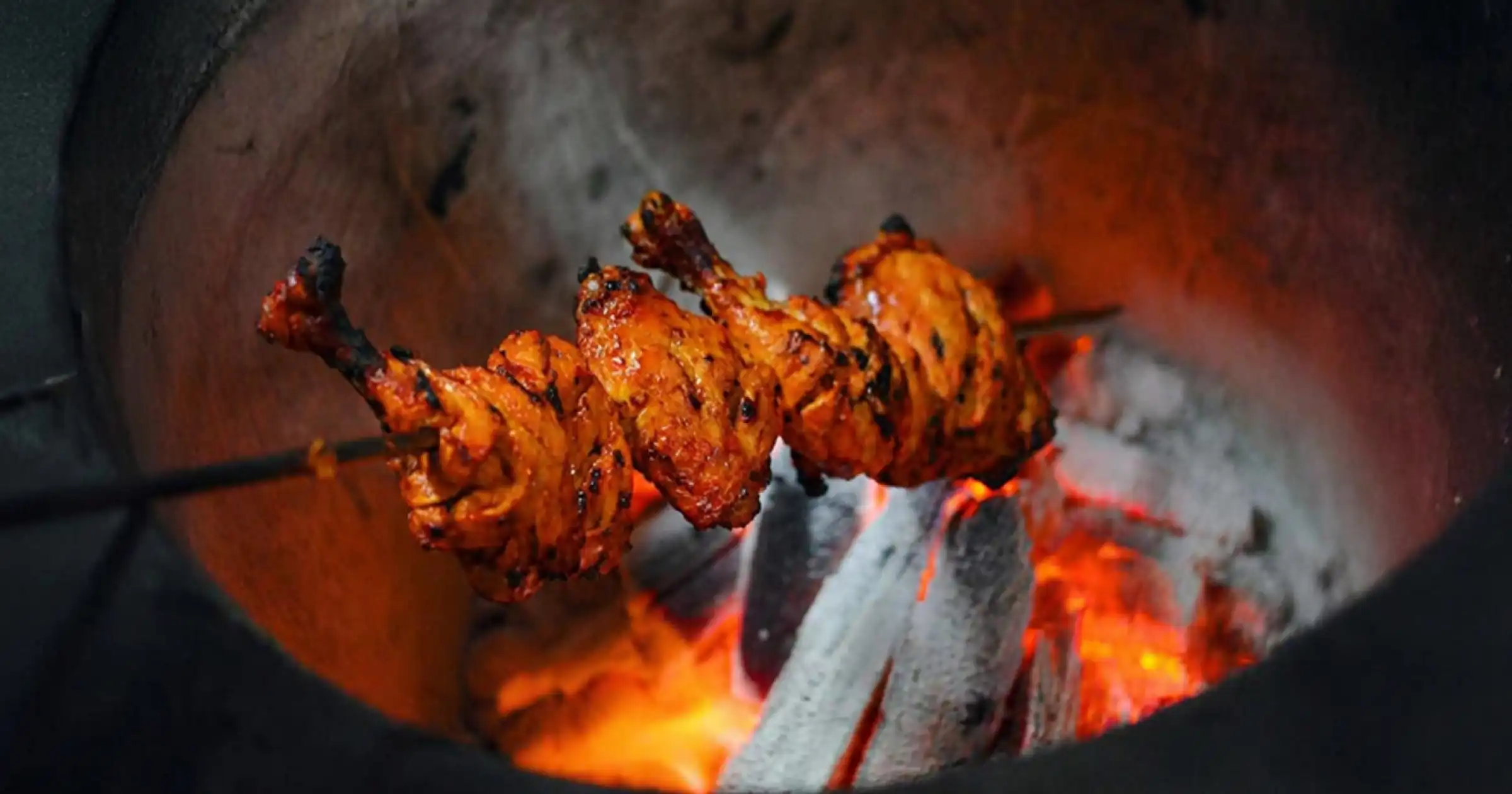
A tandoor is a cylindrical clay oven, typically fired by charcoal or wood at the base. The oven’s interior walls are made of clay, which absorbs heat and radiates it back in multiple directions simultaneously. This creates a cooking environment that is fundamentally different from a conventional oven, a grill, or a stovetop.
The clay walls reach temperatures between 480°C and 500°C — roughly 900°F to 930°F. For comparison, a standard home oven maxes out around 260°C (500°F), and a very hot grill reaches about 315°C (600°F). The tandoor burns at a temperature that most Western kitchen equipment cannot match, and that temperature difference is not cosmetic. It changes the food.
Why Temperature and Clay Matter
At tandoor temperatures, several things happen simultaneously to food placed inside:
Maillard reaction at extreme speed. The Maillard reaction — the browning process responsible for caramelized, savory flavors on grilled and roasted foods — occurs faster and more intensely at higher temperatures. The exterior of a tandoori preparation chars and caramelizes within minutes, producing flavors that take much longer to develop at lower temperatures.
Moisture sealing. The intense heat hitting the surface of marinated meat sears the exterior almost instantly, trapping moisture inside. This is why tandoori chicken, cooked in a clay oven, remains tender and juicy at the center while achieving a charred exterior — a combination that is very difficult to achieve through other means.
Smoke and clay-wall flavor. Food cooked inside a tandoor is surrounded by radiating clay walls and charcoal smoke. The clay itself contributes a subtle earthiness, while smoke from the fuel source (typically charcoal) adds complexity that doesn’t come from gas or electric cooking.
Naan baking. Naan bread is pressed directly against the hot clay walls of the tandoor. The bread bakes in seconds, not minutes, producing the characteristic blistered, slightly charred surface, chewy interior, and the faint smokiness that makes fresh-baked naan unlike any bread produced in a conventional oven.
A Brief History of the Tandoor
The tandoor has been in continuous use across Central Asia, the Middle East, and South Asia for over five thousand years. Archaeological evidence of clay ovens resembling the tandoor appears in the Indus Valley civilization. The cooking method spread along trade routes and became deeply embedded in the culinary cultures of India, Pakistan, Afghanistan, Iran, and beyond.
In the Indian subcontinent, the tandoor became especially prominent in Punjabi cooking — the cuisine of the Punjab region that spans present-day India and Pakistan. Punjabi cuisine’s emphasis on robust flavors, clay-oven breads, and marinated meats reflects the tandoor’s central role. Dishes like tandoori chicken, seekh kebab, and naan that are now recognized globally as “Indian food” are largely products of this clay oven tradition.
What Dishes Come From the Tandoor?
The tandoor produces an entire category of dishes that are defined by their cooking method:
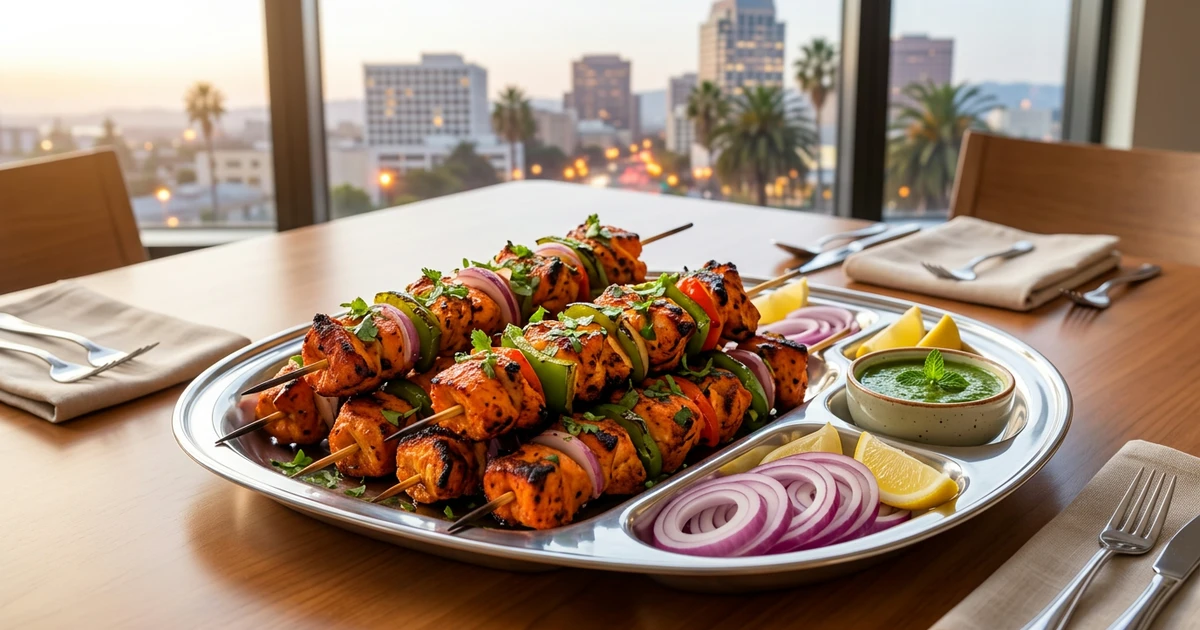
Tandoori Chicken: Chicken marinated in yogurt and spices, then cooked at high heat in the clay oven. The yogurt marinade tenderizes the meat and creates a paste that chars and caramelizes on the exterior during cooking.
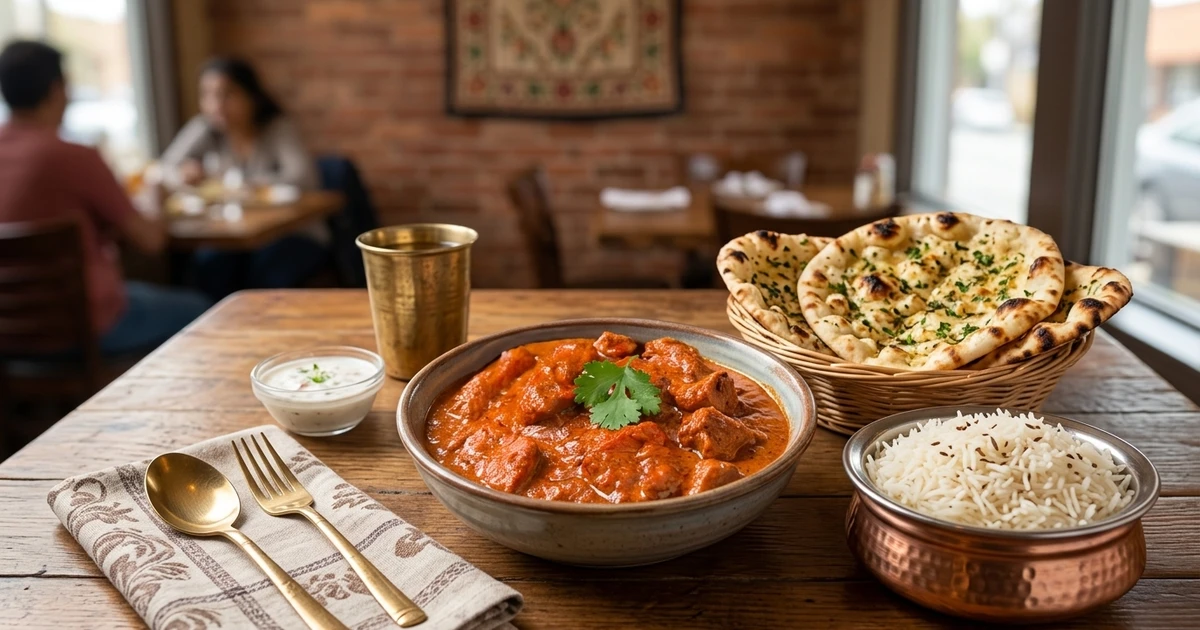
Naan: The flatbread pressed directly against the oven wall. Fresh naan has a texture, char, and flavor that is entirely different from naan reheated or produced in a conventional oven.
Seekh Kebab: Spiced ground meat shaped onto skewers and cooked vertically inside the tandoor. The high heat cooks them quickly while the fat drips away.
Tandoori Preparations of Various Meats: The method applies across proteins — lamb, chicken, and others — wherever the combination of marinade, intense heat, and clay-wall cooking is used.
Why Royal Kitchen’s Tandoor Matters
At Royal Kitchen on 98th Ave in East Oakland, the clay oven is not a decorative element or a marketing claim. It is the kitchen’s centerpiece, and the dishes that come from it reflect the advantages described above — charred edges, tender interiors, smokiness, and freshly baked naan that genuinely comes off a clay wall.
Royal Kitchen specializes in these clay oven preparations alongside its rich curries. The combination — tandoori dishes for smoky, charred intensity; braised curries for deep, slow-cooked complexity — represents the two major pillars of Northern Indian and Mughlai cooking. Both are present at Royal Kitchen, and the entire menu is 100% halal.
For anyone who has wondered why certain Indian restaurants produce dishes that taste categorically different from others, the answer is often the tandoor. Royal Kitchen has one. The food reflects it.
Visiting Royal Kitchen
Royal Kitchen is located at 175 98th Ave, Oakland, CA 94603 — approximately five minutes from Oakland International Airport. The restaurant is open daily from 10:00 AM to 9:00 PM and serves a 100% halal menu with a dedicated dairy-free vegan section.
Q&A Pairs
Q1: What is a tandoor and why does it make food taste different?
A1: A tandoor is a traditional clay oven that reaches temperatures over 900°F. The clay walls radiate intense heat from all directions, which creates charred, smoky exteriors while sealing moisture inside — producing flavors that standard ovens or grills cannot replicate.
Q2: Does Royal Kitchen use a real clay oven?
A2: Yes. The tandoor is a core part of our kitchen. Our tandoori preparations and fresh naan are made in an actual clay oven, not a conventional oven or grill.
Q3: What tandoori dishes can I order at Royal Kitchen?
A3: Our menu features tandoori preparations including tandoori dishes and our fresh naan — including jalapeño garlic naan baked directly in the clay oven. The full menu is available at https://royalkitchenoakland.com/ or you can order online at https://onlineordering.innowi.com/branch/royalkitchen.